Smart Healthcare Technology Solutions

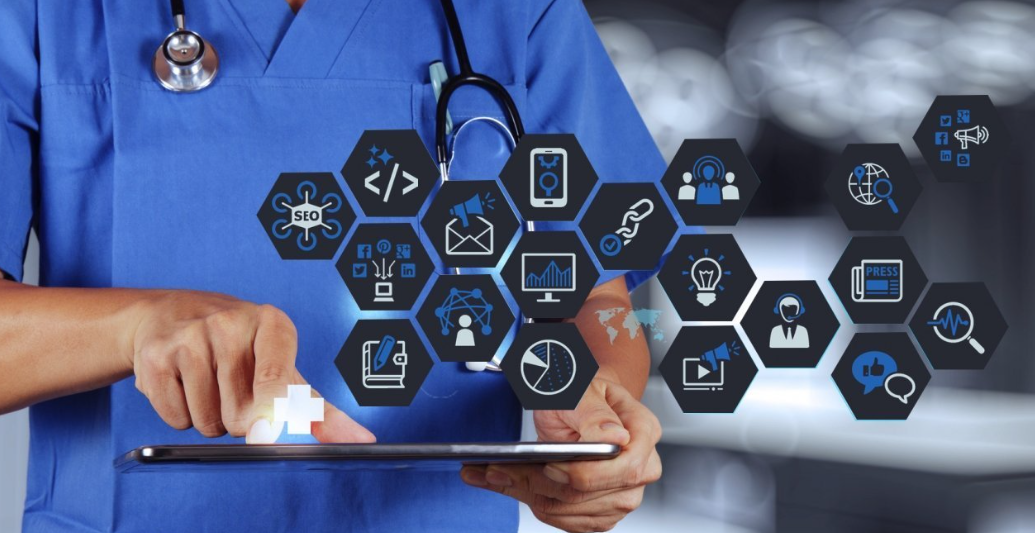
Smart healthcare technology solutions are reshaping the landscape of medical services. These advancements streamline operations and enhance patient care through innovative systems. From telemedicine to wearable tech, the integration of these tools addresses key challenges in healthcare delivery. As real-time data becomes more accessible, patients gain unprecedented control over their health. The implications of these technologies extend far beyond efficiency, prompting critical questions about their long-term impact on patient experiences and outcomes.
How Telemedicine Is Transforming Healthcare Access
As healthcare systems increasingly embrace digital innovation, telemedicine emerges as a pivotal solution transforming access to medical services.
By facilitating remote consultations, patients can engage with healthcare providers from the comfort of their homes, overcoming geographical barriers.
Furthermore, digital prescriptions streamline the medication process, enhancing efficiency and patient autonomy.
This shift not only improves convenience but also redefines the landscape of patient-centered care.
See also: Why Tech Leaders Prioritize CISM Certification Today
How Wearable Tech Is Changing Health Monitoring
Wearable technology is revolutionizing health monitoring by providing real-time data that empowers both patients and healthcare providers.
The wearable benefits extend beyond convenience; they enable continuous tracking of vital health data, fostering proactive health management.
This shift not only enhances patient autonomy but also facilitates timely interventions, ultimately leading to improved health outcomes and a more personalized approach to healthcare.
Leveraging Artificial Intelligence for Personalized Patient Care
While traditional healthcare often adopts a one-size-fits-all approach, leveraging artificial intelligence (AI) for personalized patient care is transforming this paradigm.
AI algorithms analyze vast amounts of patient data, allowing for tailored treatment plans that address individual needs.
This innovative approach not only enhances patient outcomes but also empowers individuals to take control of their health, fostering a more liberated healthcare experience.
Integrating Smart Technologies for Healthcare Facility Efficiency
The integration of smart technologies within healthcare facilities is becoming increasingly important as the focus shifts towards operational efficiency and improved patient experiences.
Utilizing smart inventory systems enhances resource management, reducing waste and ensuring essential supplies are always available.
Meanwhile, technologies that optimize patient flow streamline processes, minimizing wait times and fostering a more satisfying environment.
This synergy ultimately promotes a more effective healthcare delivery system.
Conclusion
In an era where technology promises to streamline healthcare, one might ironically ponder if the very innovations designed to simplify our lives have instead complicated them. As smart healthcare solutions proliferate, they not only enhance efficiency but also demand a new level of patient engagement and responsibility. While these advancements hold great potential for improving outcomes, they remind us that relying on technology can sometimes leave patients feeling more disconnected than ever from their own health journeys.